AI Garden design vs working with a Garden Designer
Updated: May 26
AI is starting to appear everywhere now, including garden design. You can upload a photo of your garden and within seconds be shown planting ideas, layouts, lighting schemes and beautifully generated images of what the space could become.
This conversation has become even louder during this year’s Chelsea Flower Show, where debates around AI-generated garden design have caused quite a stir within the industry, and it’s easy to understand why.
AI can produce impressive visuals very quickly. It can help generate ideas, layouts and inspiration in seconds.
But gardens are not static images. They are living spaces shaped by soil, drainage, light, climate, maintenance, budget and how people actually live within them over time. Which is usually the bit that becomes slightly harder to explain to a robot.

AI can be a really useful tool for gathering inspiration and helping people work out what styles they’re naturally drawn to. If you’ve never redesigned a garden before, it can also make the process feel much more approachable.
But there’s a big difference between generating ideas for a garden and truly understanding one.
That’s the part that’s much harder to replace.
Gardens are emotional spaces as much as visual ones
One of the first things I usually ask clients is not: 'What style do you want?'
It's: 'How do you want your garden to feel?'
Because the gardens people end up loving most are rarely the ones with the most features squeezed in. They’re usually the gardens that feel calm, balanced and easy to spend time in.
Some spaces instantly make you breathe out a bit when you walk into them. That’s always the goal.
AI can generate lovely visuals, but it can’t walk around a garden and notice:
where the evening light falls
which corner feels exposed
where people naturally pause
how the house connects to the outside
which areas already feel peaceful
where the wind catches
how the space changes through the seasons
Those quieter details matter far more than people realise.
A real garden has real quirks
Most gardens aren't blank canvases. They have awkward levels, difficult soil, drainage issues, neighbouring windows, strange proportions, shady corners, dogs digging things up, children kicking footballs through borders and plants that absolutely refuse to cooperate no matter how many times you move them.
That's normal!
Part of working with a garden designer is problem solving in a way that still makes the garden feel natural and relaxed rather than overdesigned. Sometimes the best decision is actually simplifying things rather than adding more.
AI garden design platforms are brilliant for inspiration
I actually think AI can be really helpful in the early stages of a project. It can help people:
discover styles they like
visualise possibilities
experiment with layouts
feel more confident about starting
And I imagine it will become more and more useful over time.
But, good garden design is rarely about creating the most dramatic image. It's about creating somewhere you really want to spend time in. Somewhere that feels good years later.
Working with a designer is collaborative
Most people I meet in their gardens for an initial consultation don't have a perfectly clear vision. Often, they just know:
the garden doesn’t feel right
they’re not using it properly
it feels overwhelming
or they want it to feel calmer, softer or more connected to the house
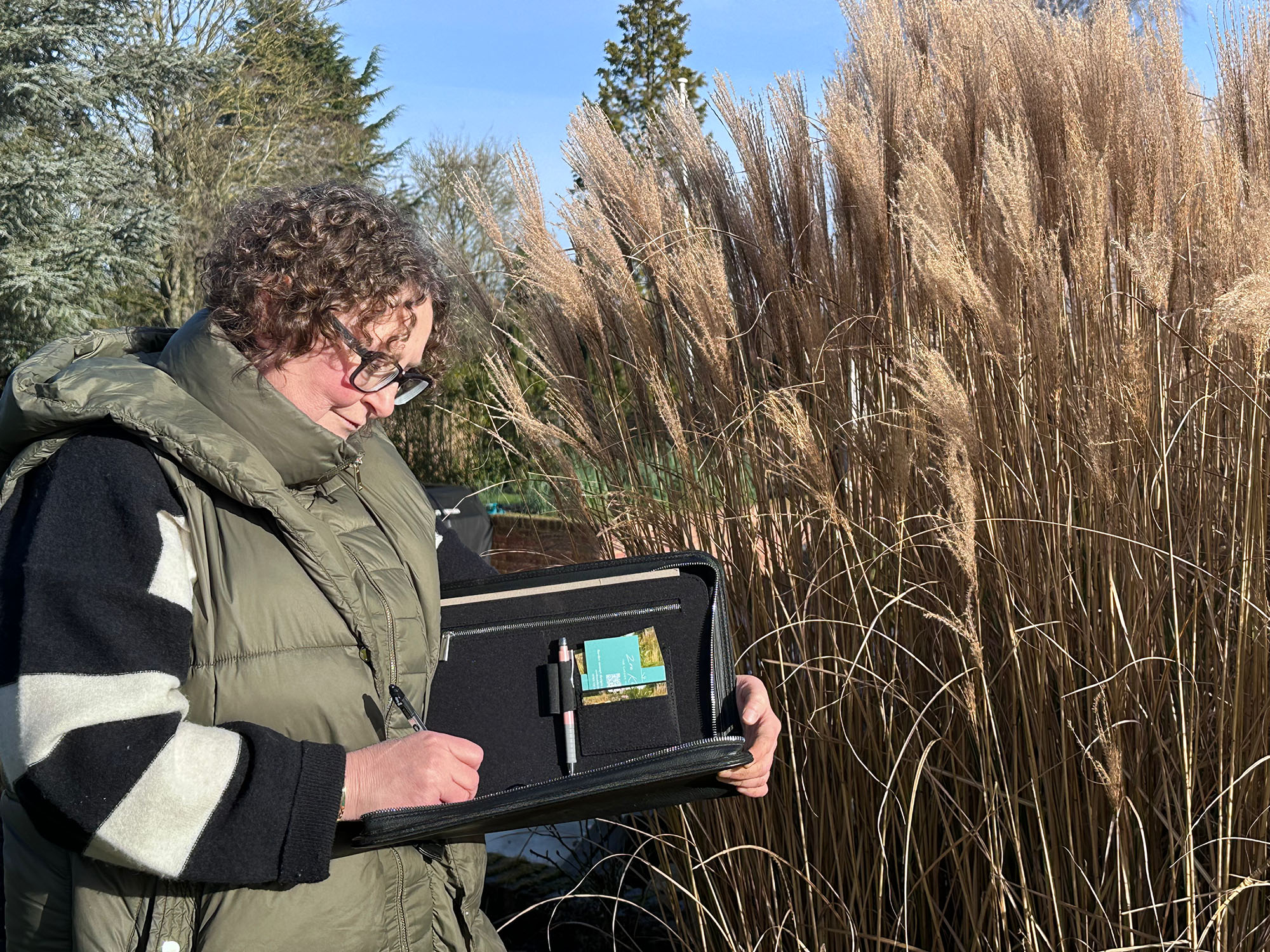
A lot of the process is simply talking things through properly and helping people see the potential in the space. Sometimes standing quietly in a garden and looking at it together tells you more that a Pinterest board ever could.
The future will probably be a mix of both
I don’t think AI will replace garden designers. If anything, it will probably become another useful creative tool within the process. But gardens are deeply personal spaces, and there’s still something very human about designing somewhere that people will live in every day.
The small decisions matter. The feeling matters. And usually, the gardens that work best are the ones that feel effortless to be in rather than overly designed. Take a look at some of my recent garden design projects.
If you’re gathering ideas for your own garden project, an initial consultation can help turn inspiration into a design that works beautifully in real life.


Comments