Gravel gardens aren’t just stones and lavender
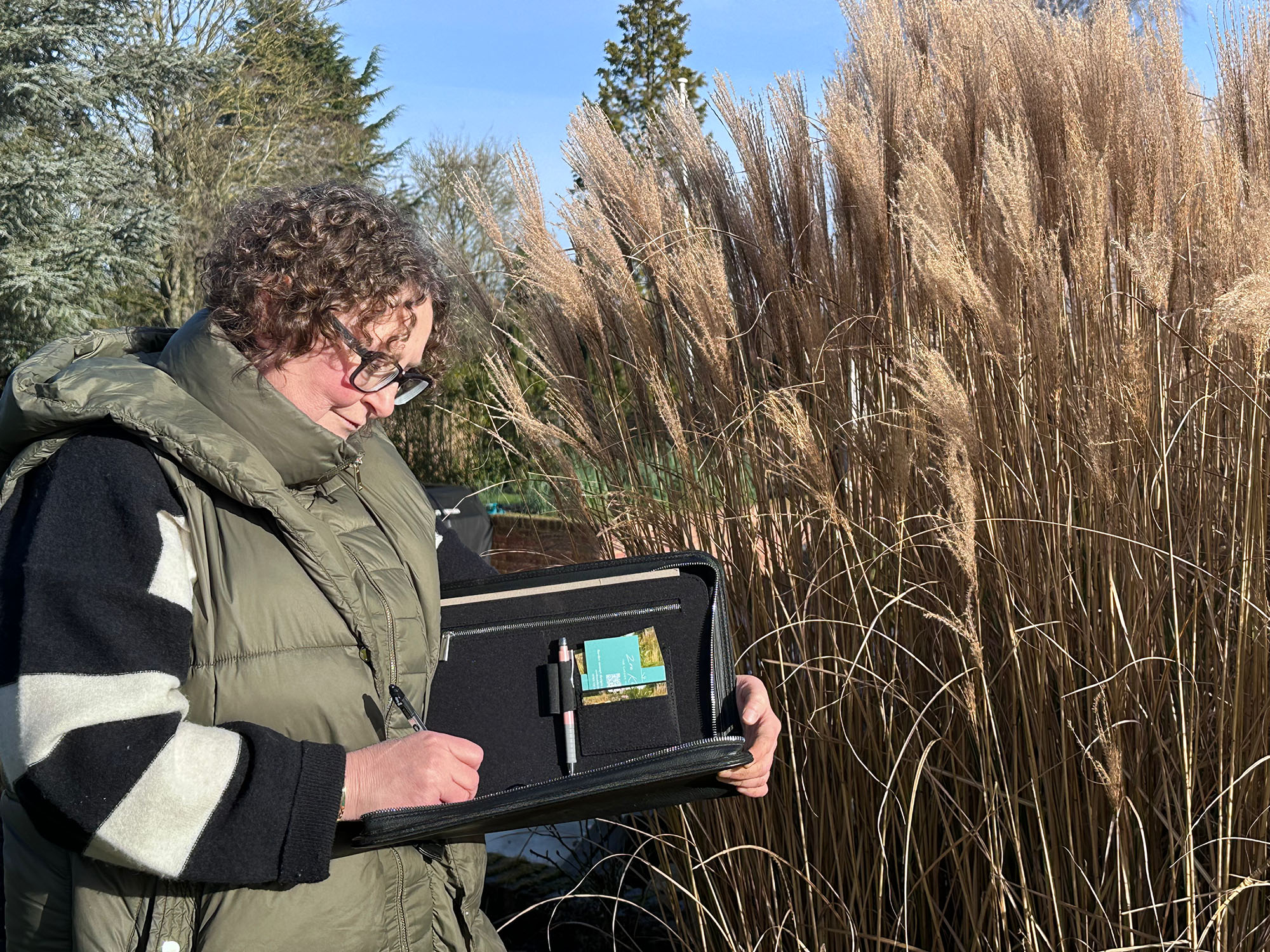
Gravel gardens seem to have developed a slightly confusing reputation over the years. Some people hear the words 'gravel garden' and immediately picture a dry, sparse landscape with three ornamental grasses and a single lavender plant clinging on for dear life.
Others assume they are completely maintenance-free. Sadly, no garden has achieved this yet.
Not even the ones on Instagram.
In reality, a well-designed gravel garden can feel soft, natural, full of movement and surprisingly lush, while also being practical, drought-tolerant and easier to manage over time.
Why gravel gardens work so well
Gravel gardens are particularly useful in sunny, free-draining gardens where plants can struggle in dry conditions. The gravel helps suppress weeds, retain some moisture in the soil and create a stable environment around the plants.

It also gives the whole garden a lovely sense of cohesion and calm. There’s something about gravel gardens that often feels more relaxed and atmospheric than highly formal planting schemes. The movement of grasses, seed heads and long-flowering perennials creates a softer, more natural feel that changes beautifully throughout the seasons.
Even in winter, they can still look interesting.Which is more than can be said for some gardens in February.
This style of planting works really well in sunny gardens, and areas with lighter, free draining soil.
They are not 'no maintenance'
This is probably the biggest myth. Gravel gardens are usually lower maintenance than traditional borders, but they still need care and attention.
Plants still grow. Weeds still arrive. Things still occasionally flop over for no obvious reason.
The difference is that the maintenance often feels lighter and more manageable, especially once the planting has established properly. A good gravel garden is really about thoughtful plant selection and balance rather than simply covering the ground with stones and hoping for the best.
The planting is everything
The most successful gravel gardens are planting-led. The gravel itself is really just the backdrop.
The magic comes from the layers of planting, texture, seasonal change and movement. Plants like salvias, verbena, euphorbia, nepeta, achillea and ornamental grasses all work beautifully in the right setting, creating gardens that feel relaxed but still intentional.
A gravel garden should still feel alive and thriving.
Gravel gardens can work surprisingly well in the UK
People often associate gravel gardens with Mediterranean climates, but they can work beautifully here in the UK too, especially as our summers become warmer and drier.
They are particularly suited to:
sunny gardens
poor or free-draining soils
contemporary planting schemes
wildlife-friendly gardens
clients wanting a softer, naturalistic look
gardens where water conservation is becoming more important
The key is always choosing the right plants for the conditions rather than forcing plants into a space where they’ll constantly struggle. Plants are much happier when they’re not fighting for survival every summer.
Thinking about a gravel garden?
A gravel garden can work beautifully when the planting, layout and materials are carefully balanced to suit the space. The best ones still feel soft, relaxed and full of life, just with a little less watering.
If you’re considering a gravel garden and would like help exploring ideas for your space, a garden design consultation is often the best place to begin.
Garden design in Hertfordshire and Essex
Zoe works on garden design and planting design projects across Hertfordshire, Essex and surrounding areas, creating thoughtful gardens that feel connected to their setting and enjoyable to live in throughout the seasons.


Comments