
Sustainable Garden Design in Bishop's Stortford
Creating a garden that works with nature
This sustainable garden design project in Bishop's Stortford was created alongside a house extension, bringing together wildlife-friendly planting, durable materials and thoughtful outdoor living spaces. Designed to support biodiversity while providing a beautiful and practical garden for everyday use, the project demonstrates how sustainable garden design can enhance both a property and its surroundings.


The Brief
The clients wanted:
-
A garden that complemented the new extension
-
Wildlife-friendly planting
-
Sustainable material choices
-
A space for entertaining and relaxing
-
Screening for the heat pump
-
Strong seasonal interest
-
A garden that would continue to improve as it matured
By considering the garden at the same time as the extension, it was possible to create a seamless connection between indoor and outdoor spaces from the outset.
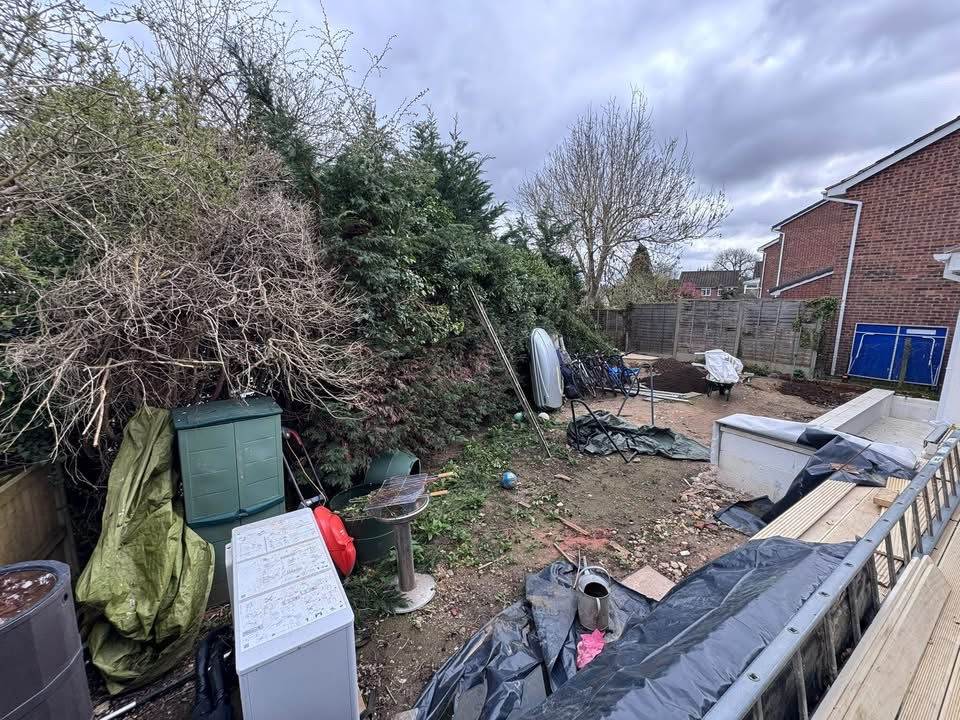
Before

After
The Design
Many of the decisions that make the garden work today were resolved during the design stage, allowing the extension, patio, planting and screening to work together as a single, cohesive scheme.
The layout was designed to create a natural flow between the house and garden while providing opportunities to sit, entertain and enjoy the surrounding planting.
Careful consideration was given to balancing hard and soft landscaping. Rather than allowing paving to dominate the space, generous planting areas help soften the garden and create a stronger connection with nature.
The heat pump was carefully integrated into the garden design using screening and planting, ensuring practical requirements did not detract from the overall appearance of the garden.


Sustainable Materials
Sustainability was an important consideration throughout the project.
Accoya timber was selected for the bespoke decking and pergola due to its exceptional durability and longevity. The material is sourced from responsibly managed forests and offers an environmentally conscious alternative to many traditional hardwoods.
Sahara Beige limestone was chosen for the paving, providing a timeless appearance while creating a practical, non-slip surface suitable for everyday family use.
Together, these materials create a garden that is both beautiful and built to last.

Planting design
The planting scheme was designed to provide colour, texture and interest throughout the seasons while supporting pollinators and other wildlife.
A vibrant palette of perennials was chosen, including Echinacea, Agapanthus, Iris and Poppies, creating layers of seasonal colour in rich reds, oranges, purples and pinks.
Evergreen structure provides year-round presence, while ornamental grasses add movement and softness to the space.
As the planting matures, the garden will become increasingly immersive, with flowers, seed heads and foliage creating interest well beyond the summer months.

Supporting Wildlife
Encouraging wildlife formed an important part of the planting design.
Wildflower turf was introduced to provide valuable habitat and food sources for pollinators, while the planting palette was selected to attract bees, butterflies and other beneficial insects throughout the year.
The result is a garden that not only looks beautiful but also contributes positively to local biodiversity.

The Outcome
The finished garden feels calm, natural and established, despite being created alongside a major building project.
By bringing the extension, landscaping and planting together through a considered design process, the garden now feels like a natural extension of the home rather than a separate outdoor space.
It provides places to relax, entertain and enjoy the changing seasons, while supporting wildlife and demonstrating how sustainable design choices can create a garden that is both practical and beautiful.
Designed by: Zoe Kilbride Garden Design
Built by: Hard Craft Landsaping
“For me, this garden was about creating a space that felt softer, more natural and more connected to the surrounding environment. The planting plays a huge role in bringing movement, colour and biodiversity into the garden, while the sustainable material choices help ensure the space will age beautifully over time.”
Zoe Kilbride, Garden Designer
Planning an extension or garden transformation?
Bringing garden design into a project early can help ensure your house and garden work together from the outset. Whether you're planning an extension, redesigning an existing garden or starting with a blank canvas, a Garden Design Consultation is an excellent way to explore ideas and create a clear plan before landscaping work begins.

